“When the coin in the coffer rings,
the soul from purgatory springs”- Johann Tetzel, Catholic German preacher,
c.1517
- What common practice of the Catholic church does
the above quote signify?
Luther preached a message of “justification by faith” based on
Biblical scripture. The following is a summary of his teachings taken from an
article published in 1537.
The first and chief article is this: Jesus Christ, our
God and Lord, died for our sins and was raised again for our justification
(Romans 3:24-25). He alone is the Lamb of God who takes away the sins of the
world (John 1:29), and God has laid on Him the iniquity of us all (Isaiah 53:6). All have
sinned and are justified freely, without their own works and merits, by His
grace, through the redemption that is in Christ Jesus, in His blood (Romans
3:23-25). This is necessary to believe. This cannot be otherwise acquired or
grasped by any work, law or merit. Therefore, it is clear and certain that this
faith alone justifies us ... Nothing of this article can be yielded or
surrendered, even though heaven and earth and everything else falls (Mark 13:31).
1. After studying the above quote, what consequences do you think
this would have on the Catholic Church and its followers? Why?
John Calvin was a French Protestant theologian during the Protestant
Reformation and was a
central developer of the system of Christian
theology called Calvinism or Reformed theology. The Biblical passages
are commonly used to define his teachings.
Ephesians 2:4 But God, being rich in mercy, because of
the great love with which he loved us, 5 even when we were dead in our trespasses,
made us alive together with Christ—by grace you have been saved— 6 and
raised us up with him and seated us with him in the heavenly places in Christ
Jesus, 7 so that in the coming ages he might show the immeasurable riches
of his grace in kindness toward us in Christ Jesus. 8 For
by grace you have been saved through faith. And this is not your own doing; it
is the gift of God, 9 not a result of works, so that no one may boast.
Romans 9:15 For he
says to Moses, “I will have mercy on whom I have mercy, and I will have
compassion on whom I have compassion.” 16 So then it depends not on
human will or exertion, but on God, who has mercy.
2. What is the term applied to this theology and what are some
clues from the passages that suggest that?
Renaissance
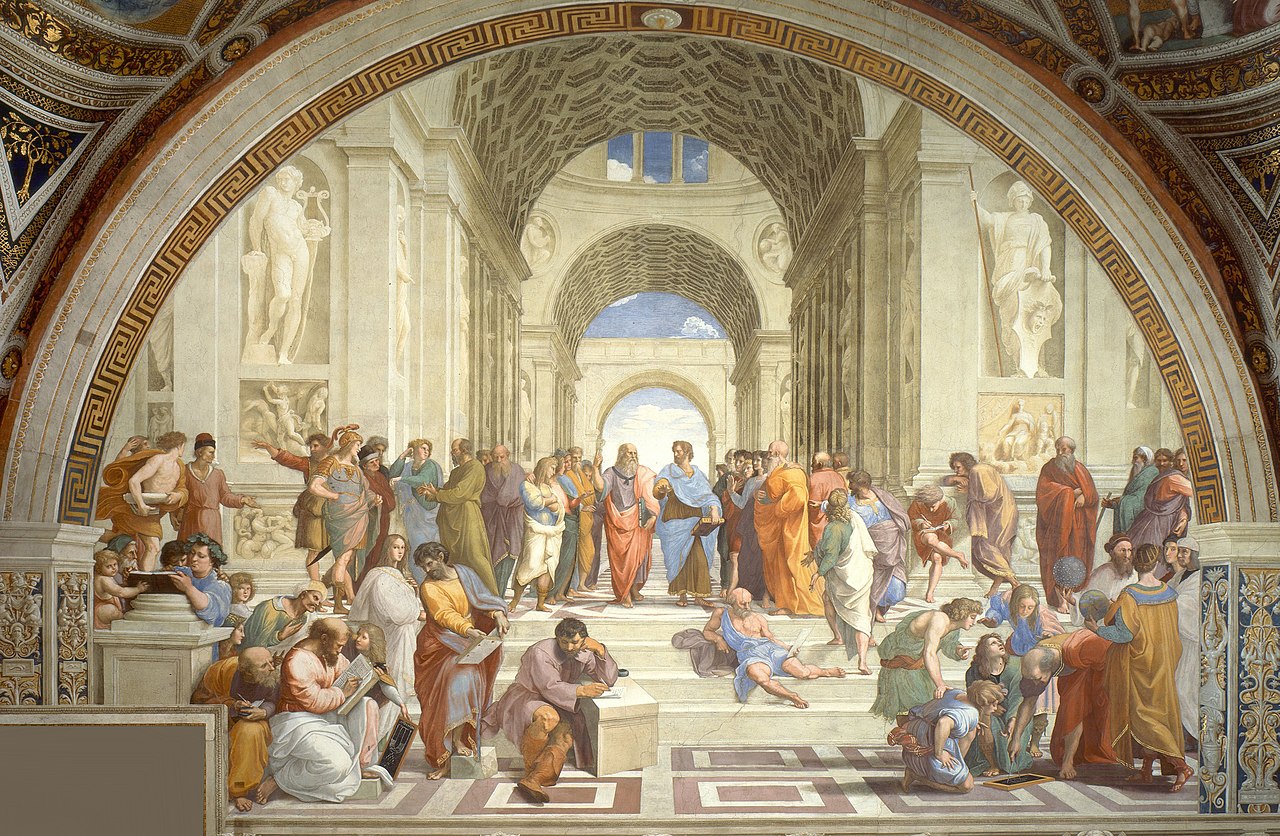
Do you know the
name of this piece of work?
What is the artist trying to portray?
How does this show the ideas of
the Renaissance?
What are the “isms” of the Renaissance?
(Hint: there are 4)
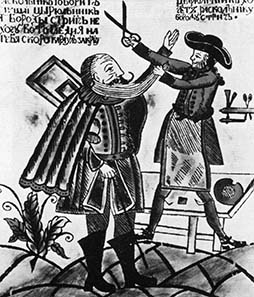
Absolutism
King Louis XIV is
quoted as saying “L’etat, c’est moi,” or “I am the state,” believing he was the
only one responsible for governing France.
|
|
2. -“I am aware that a philosopher's ideas are not subject
to the judgment of ordinary persons, because it is his endeavor to seek the
truth in all things, to the extent permitted to human reason by God.”
3. “The Milky Way is nothing else but a mass of innumerable
stars planted together in clusters.”
4. “The Bible shows the way to go to heaven, not the way the
heavens go.”
5. “I
must altogether abandon the false opinion that the sun is the center of the
world and immovable, and that the earth is not the center of the world, and
moves, and that I must not hold, defend, or teach in any way whatsoever,
verbally or in writing, the said false doctrine, and after it had been notified
to me that the said doctrine was contrary to Holy Scripture.”
6.
“If I have seen further than
others, it is by standing upon the shoulders of giants.”

No comments:
Post a Comment